From Cellular Site to Cellular Tower Location: Network Essentials
📡 What Is a Cellular Site?
A cellular site, also known as a cell site or telecom tower site, is a dedicated physical location where wireless communication infrastructure is installed to facilitate mobile connectivity. These sites act as intermediaries between user devices (phones, tablets, IoT devices) and the central telecommunications network, allowing users to make calls, browse the internet, and access apps in real time.
A standard cellular site comprises:
-
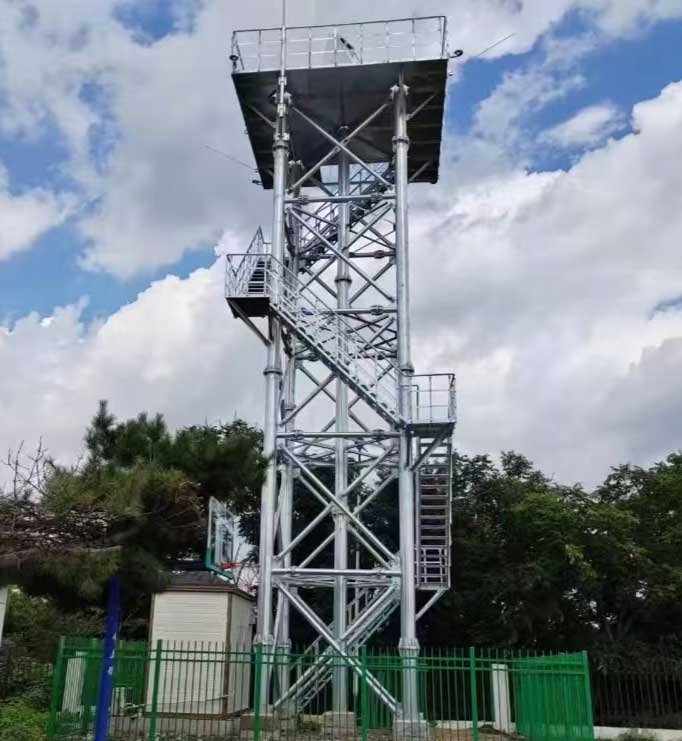
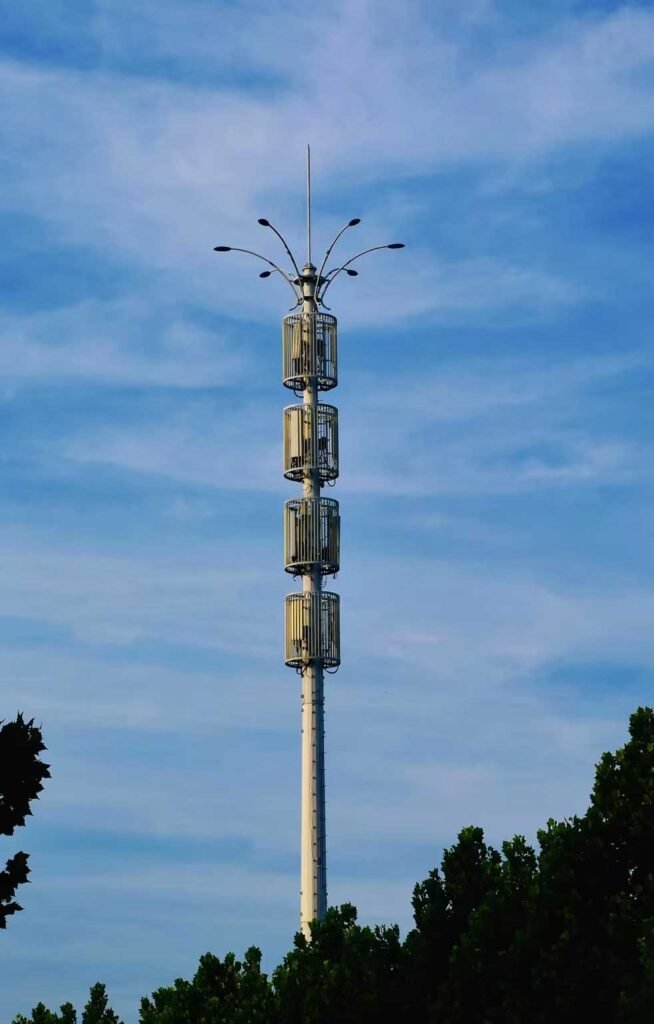
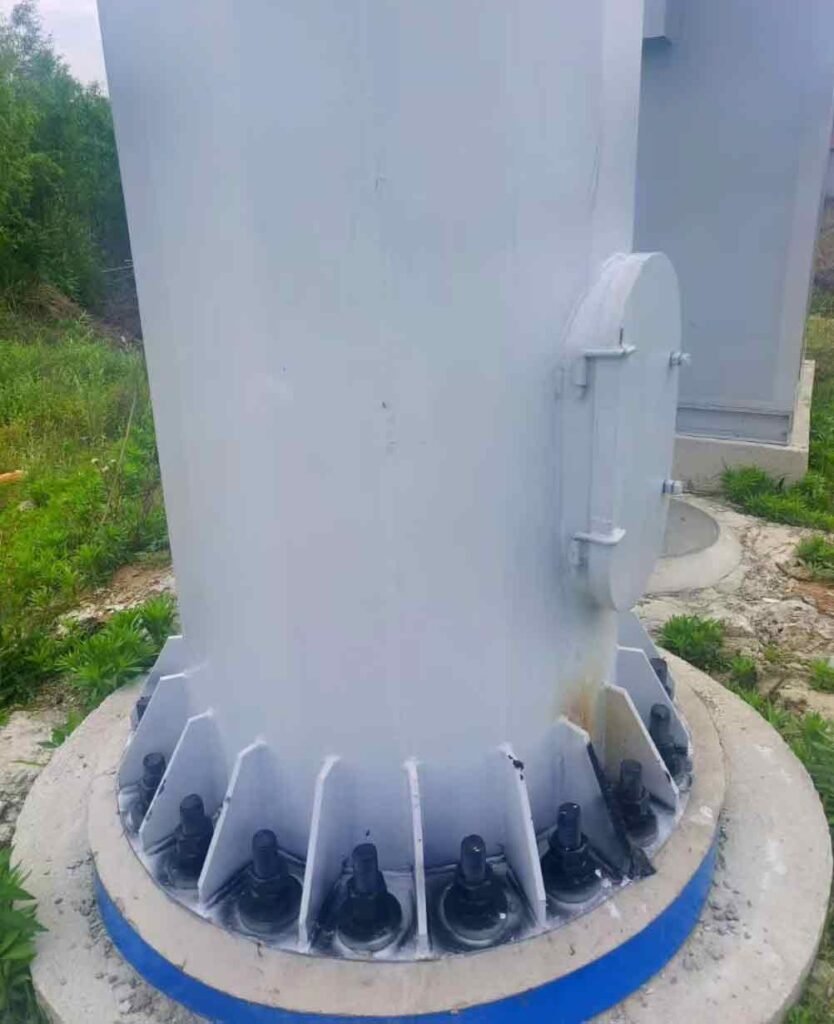
Steel tower or pole structure
-
Antenna arrays for different frequency bands (2G, 4G, 5G)
-
A Base Transceiver Station (BTS) or Remote Radio Unit (RRU)
-
Power supply with backup batteries or generators
-
Backhaul connection using fiber optics or microwave
-
Protective enclosures, fencing, and grounding systems
📘 According to ITU Planning Reports, cellular sites are the core of every mobile network, with more than 10 million deployed globally.
📍 Why Cellular Tower Location Matters
The location of a cellular tower has a direct impact on the quality, coverage, and efficiency of a mobile network. Poor tower placement leads to weak signal strength, dropped calls, slow data speeds, and overlapping coverage that causes network congestion or interference.
Factors Influencing Tower Location:
-
Topography: Hills, valleys, or tall buildings may obstruct signals.
-
Population Density: Urban areas require more tower density to serve more users.
-
Line-of-Sight (LOS): Particularly critical for 5G millimeter wave (mmWave) and microwave links.
-
Zoning Regulations: Local government rules dictate where telecom towers can be built.
-
Interference Management: Towers must be spaced and angled to avoid signal interference.
-
Existing Infrastructure: Co-locating on rooftops or existing towers reduces costs and permits.
🛰️ A study by GSMA Intelligence highlights that optimized site placement can reduce call drop rates by over 25%.
🧭 Types of Cellular Sites and Their Roles
Different locations require different types of towers and equipment. Here’s a breakdown:
| Type of Cellular Site | Purpose | Common Use Case |
|---|---|---|
| Macrocell Site | Wide-area coverage, high antenna height | Rural or suburban environments |
| Rooftop Site | Space-efficient urban coverage | High-rise buildings in cities |
| Small Cell Site | High-density, low-latency connectivity | Stadiums, airports, city centers |
| COW (Cell-on-Wheels) | Temporary or mobile coverage | Emergency response, large events |
Each of these sites serves a specific function in the broader mobile network, ensuring coverage regardless of geography or user density.
📶 Signal Strength and Performance Optimization
Signal strength is critical to user experience. Whether you’re streaming a video, downloading a file, or on a voice call, your connection depends on how strong the signal from the nearest cellular site is.
Key Metrics:
-
RSSI (Received Signal Strength Indicator)
-
SINR (Signal-to-Interference-plus-Noise Ratio)
-
RSRP/RSRQ (for LTE and 5G performance tracking)
📊 According to Qualcomm Research, placing towers based on dynamic signal mapping can increase 5G speeds by over 40% in metropolitan areas.
In modern 5G rollouts, small cell sites need to be deployed closer together—sometimes only 100–200 meters apart—to maintain optimal signal levels due to the short-range nature of mmWave frequencies.
🛠️ Site Management and Maintenance
Once a cellular site is operational, it must be actively managed to ensure consistent performance and safety. This process is referred to as site management and includes:
-
Remote monitoring of power, signal, and hardware performance
-
Predictive maintenance using AI-driven platforms (e.g., Nokia AVA)
-
Security systems such as access control and camera surveillance
-
Environmental protections against heat, lightning, or flooding
-
Component upgrades (e.g., switching from 4G to 5G antennas)
🧠 Tools like Ericsson Network Engineer enable advanced network planning with GIS integration, allowing proactive upgrades based on usage patterns.
📈 Advanced Location Planning for 5G Towers
The introduction of 5G towers has transformed how operators approach tower location planning. Because 5G offers ultra-low latency and high bandwidth, proper spacing and layout of cell sites is more important than ever.
5G-Specific Planning Considerations:
-
Densification: More towers per square kilometer
-
Multi-band deployment: Low-, mid-, and high-band 5G all have different coverage characteristics
-
Edge computing: 5G sites often include micro data centers for processing data locally
-
Fiber backhaul: Ensures fast and reliable connection to the core network
🌐 Nokia AVA Analytics uses machine learning to simulate demand spikes and adjust network parameters in real time.
🌱 Sustainable and Future-Proof Tower Deployment
As global data consumption surges and environmental awareness grows, telecom operators are actively adopting sustainable and future-proof strategies for cellular tower deployment. These approaches not only reduce the ecological footprint of network infrastructure but also improve operational efficiency and adaptability in an increasingly dynamic telecom landscape.
✅ Renewable Energy Integration
One of the most prominent trends is the shift toward solar- and wind-powered cellular sites. In remote areas where grid access is unreliable, renewable systems ensure uninterrupted power. Even in urban deployments, hybrid systems using solar panels and batteries help reduce diesel generator usage, lowering greenhouse gas emissions and long-term fuel costs.
🔗 GSMA Green Power for Mobile reports that renewable-powered towers can reduce operating costs by up to 30% while helping telcos meet climate targets.
✅ Multi-Tenant Tower Infrastructure
Shared telecom towers are becoming standard practice, especially in regions with dense urban populations or strict zoning laws. In a multi-tenant model, multiple carriers co-locate their antennas and equipment on a single tower structure, thereby:
-
Reducing the total number of towers required
-
Minimizing land use and visual clutter
-
Cutting capital and maintenance expenditures
This model not only streamlines operations but also aligns with regulatory efforts to curb redundant infrastructure expansion.
✅ Drone-Based Tower Inspections
Traditionally, telecom towers required manual climbing for inspection—a time-consuming and risky process. Today, drones equipped with high-resolution cameras and thermal imaging sensors are used to inspect towers safely and efficiently. Benefits include:
-
Faster identification of structural defects or loose connections
-
Real-time monitoring of hard-to-reach areas
-
Reduced downtime and risk to personnel
🔍 According to Ericsson Field Services, drone inspections have improved accuracy and reduced inspection time by over 50%.
✅ Digital Twin Technology
The use of digital twins—virtual replicas of physical telecom towers—is revolutionizing how networks are planned, operated, and maintained. These 3D models simulate tower performance under various conditions (wind, load, temperature), allowing engineers to:
-
Test configurations before physical installation
-
Predict structural stress points and maintenance schedules
-
Improve asset lifecycle management
This technology is increasingly integrated with AI analytics for predictive diagnostics and remote collaboration across teams.
✅ Rapid-Deployable Temporary Towers (COWs)
Cell on Wheels (COWs) and other mobile tower units are vital for temporary deployments in scenarios like:
-
Disaster recovery zones where existing infrastructure is damaged
-
High-traffic events (concerts, festivals, sporting events)
-
Military operations or field research camps
These structures can be deployed in a matter of hours, equipped with satellite backhaul or fiber connectivity, and scaled based on coverage requirements.
🌍 Aligning with Climate and Connectivity Goals
Collectively, these innovations reflect the telecom industry’s commitment to resilience, sustainability, and agility. As outlined in the ITU’s Sustainable Development Goals, mobile network infrastructure must not only support increasing digital demand but also do so responsibly and sustainably.
From green energy and shared assets to smart inspection and planning tools, telecom towers are evolving into intelligent, eco-conscious, and rapidly deployable systems that are better equipped to serve future generations.
❓ Frequently Asked Questions (FAQ)
1. What is a cellular site?
A cellular site is a location equipped with antennas, base stations, and power systems that enables wireless communication. It connects mobile phones and IoT devices to a telecom network.
2. Why is tower location important?
Tower location determines signal strength, coverage quality, and network reliability. Poor placement causes interference or coverage gaps, while strategic placement ensures efficient service.
3. How is 5G tower placement different?
5G towers often use high-frequency bands like mmWave, which require closer tower spacing and more precise placement to cover dense urban areas effectively.
4. What tools are used in site management?
Telecom operators use AI-based tools like Nokia AVA, real-time dashboards, drone inspections, and GIS-integrated platforms such as Ericsson Network Engineer to manage site performance and security.
5. What is the future of cellular tower location planning?
The future includes digital twins, green energy integration, multi-tenant sharing, and edge computing integrationto make networks more responsive, cost-effective, and sustainable.
✅ Conclusion
From macro towers in remote regions to small cell sites in urban jungles, the evolution of the cellular site is key to delivering fast, reliable, and wide-reaching mobile communication. With 5G rollout accelerating, intelligent tower location planning, AI-powered maintenance, and sustainability are now essential components of telecom strategy.
Whether you’re a network planner, city official, or infrastructure investor, understanding the essentials of site selectionand tower management is vital to building the networks of tomorrow.
Mobile Towers vs Mobile Cell Towers: What’s the Difference?
Understanding the Role of Cellular Mast in Modern Communication
Everything You Need to Know About Cell Masts: Types, Functions, and Future Trends of Telecom Towers