Transmission Tower: Types, Design, and Importance in Power Transmission Introduction A transmission tower is one of those structures people ignore until the power goes out and suddenly civilization feels optional. These tall steel frameworks are responsible for carrying high-voltage electricity across vast distances, forming the backbone of modern power systems. This article covers everything you actually need to know about transmission towers, including types, materials, design considerations, and their role in the energy infrastructure. What Is a Transmission Tower? A transmission tower, also known as an electricity pylon or power tower, is a structure used to support overhead power lines for transmitting electricity at high voltages. They are essential for: Delivering electricity over long distances Connecting power plants to cities Maintaining grid stability Without transmission towers, the power grid basically collapses into a very expensive suggestion. Types of Transmission Towers Different environments and electrical requirements demand different tower designs. Here are the main types: 1. Suspension Towers Used in straight-line sections of transmission routes. Key Features: Lightweight design Carries vertical loads Most widely used type 2. Tension (Strain) Towers Installed where the transmission line changes direction or spans long distances. Key Features: Handles high mechanical stress Stronger and heavier structure Used at angles or endpoints 3. Angle Towers Designed for slight directional changes. Key Features: Moderate strength Flexible design for route adjustments 4. Terminal Towers Located at the beginning or end of transmission lines. Key Features: Anchors the conductors Connects to substations Materials Used in Transmission Towers These towers are expected to survive decades of weather, corrosion, and general abuse from nature. Common materials include: Galvanized steel (most common) Aluminum alloys (lightweight applications) Concrete or composite materials (specialized use) Steel dominates because it offers high strength, durability, and resistance to corrosion. Transmission Tower Design Considerations Designing a transmission tower is less about aesthetics and more about not collapsing under pressure. 1. Structural Loads Engineers must account for: Wind loads Ice accumulation Conductor tension Seismic forces 2. Height and Clearance Proper clearance must be maintained between power lines and: Ground Buildings Vegetation 3. Voltage Level Higher voltage requires: Taller towers Greater spacing between conductors 4. Terrain and Location Design varies depending on: Mountains (taller, stronger towers) Urban areas (compact structures) Rural areas (cost-efficient designs) Importance of Transmission Towers They may look like repetitive metal skeletons, but they quietly keep everything running. 1. Long-Distance Power Transmission They allow electricity to travel from generation sites to consumption centers efficiently. 2. Economic Development Reliable electricity supports industries, businesses, and digital infrastructure. 3. Grid Stability Well-designed transmission towers reduce outages and ensure consistent power flow. 4. Renewable Energy Integration Wind farms and solar plants rely on transmission towers to deliver clean energy to the grid. Challenges in Transmission Tower Deployment Nothing this important comes easy. 1. Environmental Concerns Land use conflicts Visual impact Effects on wildlife 2. High Costs Material and fabrication Transportation and installation Maintenance 3. Aging Infrastructure Older towers require upgrades or replacement to meet modern demands. Future Trends in Transmission Towers Humans are slowly improving things, which is reassuring. 1. Smart Monitoring Systems Sensors can detect: Structural stress Temperature changes Fault conditions 2. Advanced Materials Composite structures Corrosion-resistant coatings Lightweight alloys 3. Compact Tower Designs Especially in urban areas where space is limited. Conclusion A transmission tower is far more than a steel structure. It is a critical component of the global power grid, enabling electricity to move efficiently, safely, and reliably. As energy demand grows and renewable sources expand, transmission towers will continue to evolve, becoming smarter, stronger, and more efficient.
Transmission Tower: Types, Design, and Importance in Power Transmission

Transmission Tower: Types, Design, and Importance in Power Transmission

Introduction

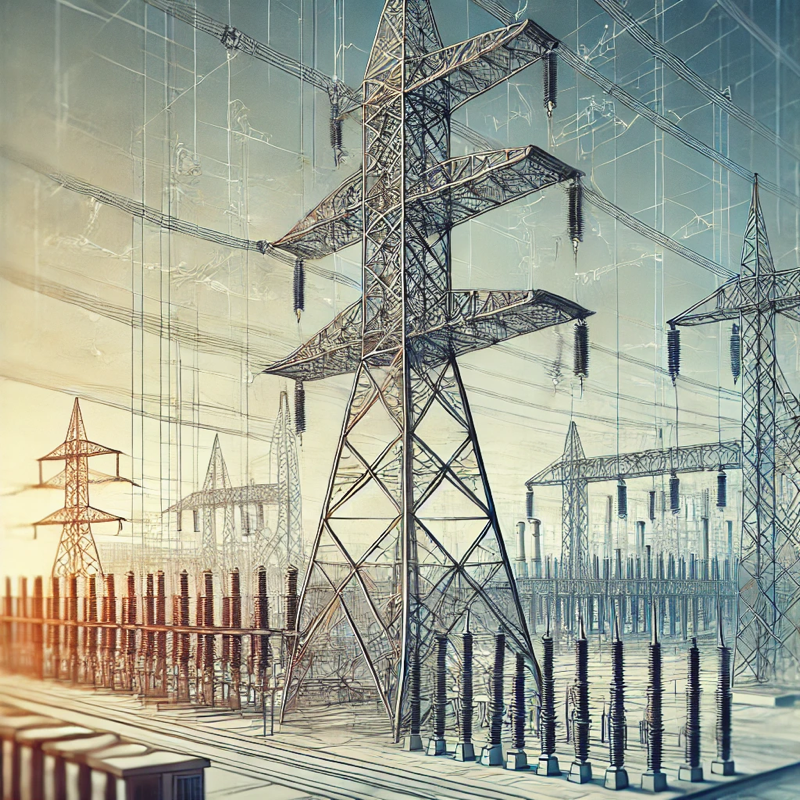
A transmission tower is one of those structures people ignore until the power goes out and suddenly civilization feels optional. These tall steel frameworks are responsible for carrying high-voltage electricity across vast distances, forming the backbone of modern power systems.

This article covers everything you actually need to know about transmission towers, including types, materials, design considerations, and their role in the energy infrastructure.


What Is a Transmission Tower?

A transmission tower, also known as an electricity pylon or power tower, is a structure used to support overhead power lines for transmitting electricity at high voltages.

They are essential for:

  • Delivering electricity over long distances
  • Connecting power plants to cities
  • Maintaining grid stability

Without transmission towers, the power grid basically collapses into a very expensive suggestion.

https://communicationtower.towertianyi.com/product/high-voltage-transmission-towers-steel-power-transmission-towers/


Types of Transmission Towers

Different environments and electrical requirements demand different tower designs. Here are the main types:

1. Suspension Towers

Used in straight-line sections of transmission routes.

Key Features:

  • Lightweight design
  • Carries vertical loads
  • Most widely used type

2. Tension (Strain) Towers

Installed where the transmission line changes direction or spans long distances.

Key Features:

  • Handles high mechanical stress
  • Stronger and heavier structure
  • Used at angles or endpoints

3. Angle Towers

Designed for slight directional changes.

Key Features:

  • Moderate strength
  • Flexible design for route adjustments

4. Terminal Towers

Located at the beginning or end of transmission lines.

Key Features:

  • Anchors the conductors
  • Connects to substations

Materials Used in Transmission Towers

These towers are expected to survive decades of weather, corrosion, and general abuse from nature.

Common materials include:

  • Galvanized steel (most common)
  • Aluminum alloys (lightweight applications)
  • Concrete or composite materials (specialized use)

Steel dominates because it offers high strength, durability, and resistance to corrosion.


Transmission Tower Design Considerations

Designing a transmission tower is less about aesthetics and more about not collapsing under pressure.

1. Structural Loads

Engineers must account for:

  • Wind loads
  • Ice accumulation
  • Conductor tension
  • Seismic forces

2. Height and Clearance

Proper clearance must be maintained between power lines and:

  • Ground
  • Buildings
  • Vegetation

3. Voltage Level

Higher voltage requires:

  • Taller towers
  • Greater spacing between conductors

4. Terrain and Location

Design varies depending on:

  • Mountains (taller, stronger towers)
  • Urban areas (compact structures)
  • Rural areas (cost-efficient designs)

Importance of Transmission Towers

They may look like repetitive metal skeletons, but they quietly keep everything running.

1. Long-Distance Power Transmission

They allow electricity to travel from generation sites to consumption centers efficiently.


2. Economic Development

Reliable electricity supports industries, businesses, and digital infrastructure.


3. Grid Stability

Well-designed transmission towers reduce outages and ensure consistent power flow.


4. Renewable Energy Integration

Wind farms and solar plants rely on transmission towers to deliver clean energy to the grid.


Challenges in Transmission Tower Deployment

Nothing this important comes easy.

1. Environmental Concerns

  • Land use conflicts
  • Visual impact
  • Effects on wildlife

2. High Costs

  • Material and fabrication
  • Transportation and installation
  • Maintenance

3. Aging Infrastructure

Older towers require upgrades or replacement to meet modern demands.


Future Trends in Transmission Towers

Humans are slowly improving things, which is reassuring.

1. Smart Monitoring Systems

Sensors can detect:

  • Structural stress
  • Temperature changes
  • Fault conditions

2. Advanced Materials

  • Composite structures
  • Corrosion-resistant coatings
  • Lightweight alloys

3. Compact Tower Designs

Especially in urban areas where space is limited.


Conclusion

A transmission tower is far more than a steel structure. It is a critical component of the global power grid, enabling electricity to move efficiently, safely, and reliably.

As energy demand grows and renewable sources expand, transmission towers will continue to evolve, becoming smarter, stronger, and more efficient.

Leave a Comment

Your email address will not be published. Required fields are marked *

WhatsApp
Email
Telegram